
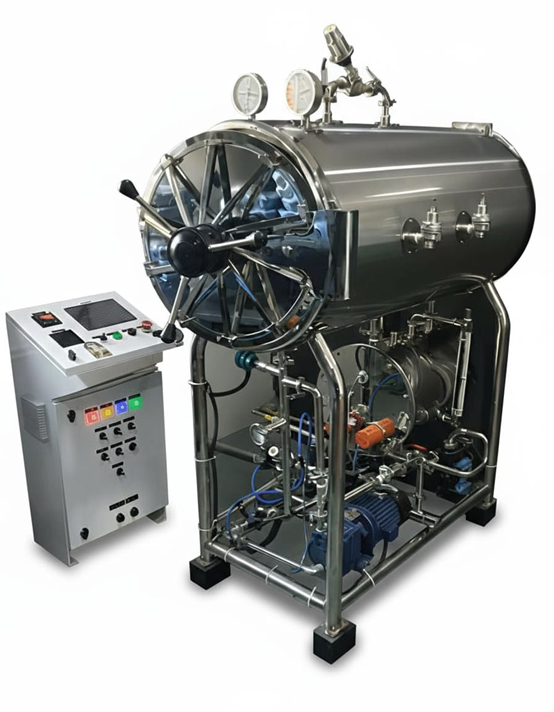
An HSP autoclave is generally understood as a high-pressure steam autoclave, a specialized machine designed for steam sterilization using elevated pressure and temperature to kill microorganisms.
Purpose and Usage
HSP autoclaves utilize saturated steam at high temperatures (typically between 121°C and 134°C) and pressures (up to about 27 PSI) to sterilize medical, laboratory, and industrial instruments and materials. The combination of heat, steam, and pressure ensures thorough destruction of bacteria, viruses, fungi, and resilient spores, making the process essential for microbiology, medicine, dental practices, and the pharmaceutical industry.
Key Features
The core of an HSP autoclave is a gas-tight, sealable pressure vessel that maintains the critical sterilization environment.
Most autoclave cycles last from 15 to 60 minutes, depending on material volume and type, with higher pressures enabling faster and more effective sterilization.
Precise temperature and pressure control are critical for consistent, validated sterilization—cycles must be regularly monitored with biological or chemical indicators to guarantee efficacy.
Applications
Hospitals and labs use HSP autoclaves for instrument sterilization before medical or surgical procedures.
They are used to treat biohazardous waste, culture media, and any items that require absolute sterility.
Industrial uses include composite manufacturing, rubber vulcanization, and curing of coatings under controlled conditions.